
01 / Foundation
BASE
The methodology productised.
Structured cricket performance programmes players can follow independently.
Build the foundation.
The CAIRNOX Method
Cricket performance is not created in one session. It is built through deliberate physical development repeated over time and structured around where the player needs to go.
Strong foundations. Intelligent progression. Performance expressed when it matters.
Structure / Progression / Performance
The idea behind CAIRNOX
Across Scotland, cairns have long been used to mark routes and create points of reference through difficult terrain. They are deliberately constructed, one stone at a time, and only remain standing when each layer is supported by what came before it.
CAIRNOX applies that idea to cricket performance. The player has a direction. Training provides the structure. Each session adds another layer.
01
A clear direction for the work.
02
The qualities everything else depends upon.
03
Repeated high-quality work over time.
04
A structure capable of holding up under demand.
Geology / Terrain / Permanence / Navigation — a Scottish influence expressed through structure, not symbolism.
Foundation → Progression → Performance
01
Build what performance depends upon.
Develop the physical qualities and capacity required for future work.
02
Accumulate deliberate development over time.
Training should build rather than simply repeat.
03
Express preparation when it matters.
The outcome of the work is the player's ability to perform within the cricket environment.
Performance is accumulated
A single session rarely changes performance in isolation. Development comes from what is repeated across days, weeks, training blocks and seasons.
01
02
03
04
05
Every session adds a layer.
The quality of each layer matters. So does how each layer connects to what came before and what needs to happen next.
What CAIRNOX considers
These four areas operate as one connected cricket methodology: preparing the player, planning around the sport, understanding the response and developing capacity over time.
01
Develop strength, power, conditioning and movement qualities relevant to cricket performance.
02
Structure training around the playing role, practice, matches, travel and the wider season.
03
Use player response, workload and performance information to inform future training decisions.
04
Build physical capacity over time rather than focusing only on isolated short-term outputs.
The programme does not exist in isolation
A fast bowler, batter, wicketkeeper and all-rounder do not require identical physical preparation. Decisions have to account for the player, role, current capacity, cricket schedule, workload, recovery, season phase and objective.
01
The physical demands of batting, bowling, wicketkeeping or all-round performance.
02
Current capacity, development needs and training history.
03
Cricket practice, matches, travel and available training time.
04
The demands already being placed on the player.
05
The player's ability to absorb and respond to training.
06
What the current phase of development needs to achieve.
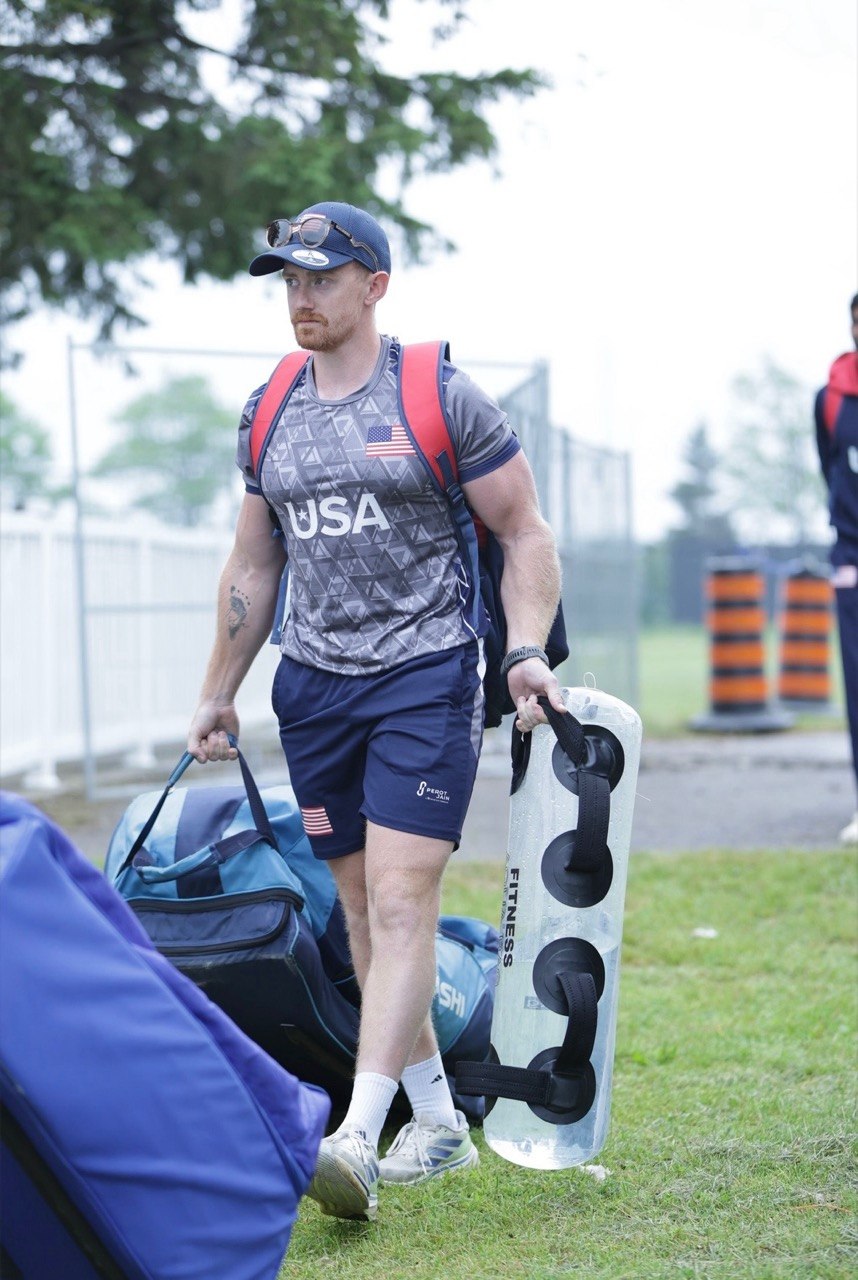
The work has to connect
Good programming is not a collection of difficult sessions. Each stage should contribute to the next, creating a logical progression rather than isolated training stress.
01
02
03
04
05
A general methodology for connecting decisions over time—not a fixed testing protocol.
One system. Three ways to apply it.
01 / Foundation
The methodology productised.
Structured cricket performance programmes players can follow independently.
Build the foundation.
02 / Progression
The methodology personalised.
Individual cricket coaching adapted around the player, role and schedule.
Build around the athlete.
03 / Peak
The methodology applied to the environment.
Consultancy supporting the systems surrounding cricket squads and player pathways.
Build the performance environment.
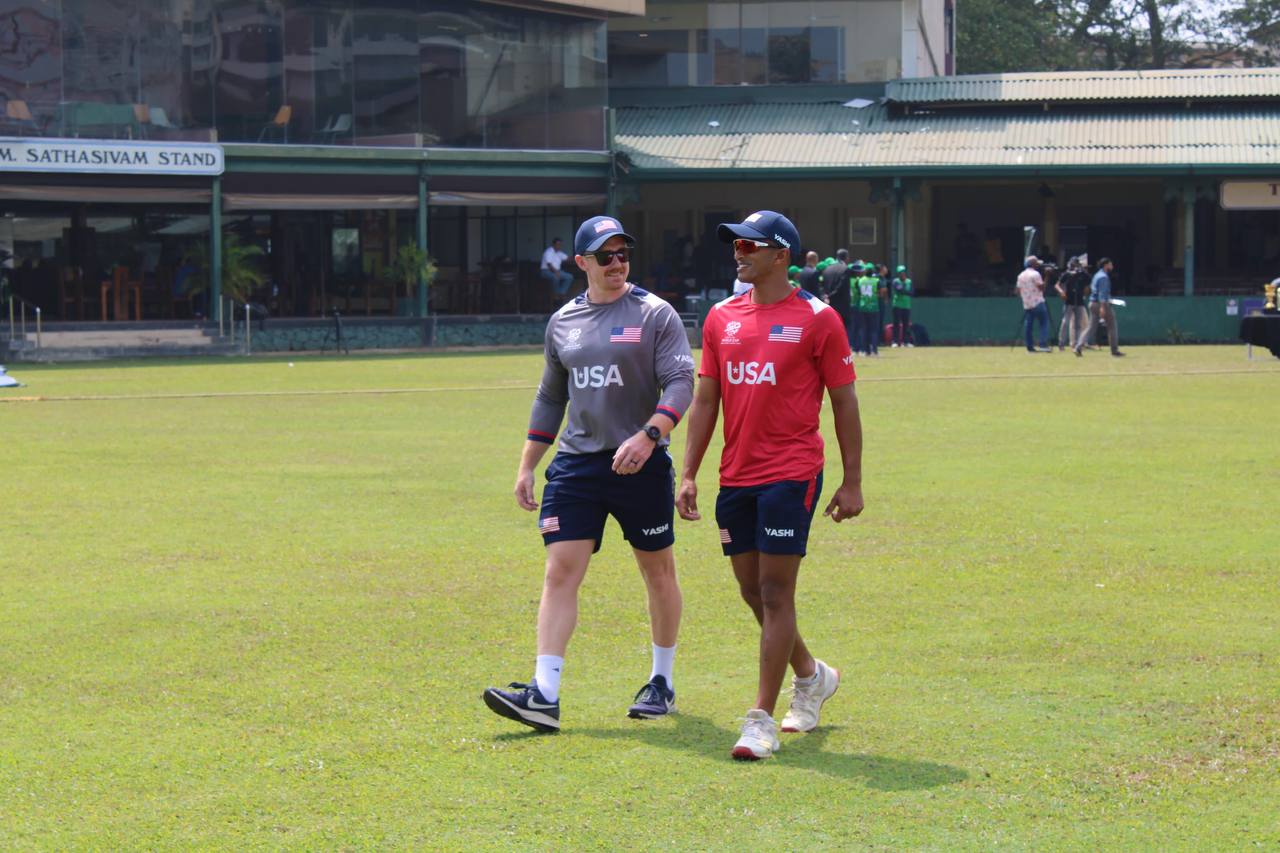
Principles across performance environments
Cricket is the principal application of CAIRNOX. Mathew Skyner's USA Cricket performance-environment experience sits alongside professional rugby, PSA Squash, British Cycling, professional soccer and NCAA programmes. That wider background reinforces why cricket preparation must respond to the role, player and environment rather than rely on one template.
Choose how you build
The CAIRNOX philosophy stays consistent across cricket. The level of support changes depending on the player or organisation and what is needed from the system.
Work with CAIRNOX